


-

Add: HeBei ShengShi HongBang Cellulose Technology CO.,LTD.
-

Email
13180486930@163.com -

CONTACT US
+86 13180486930


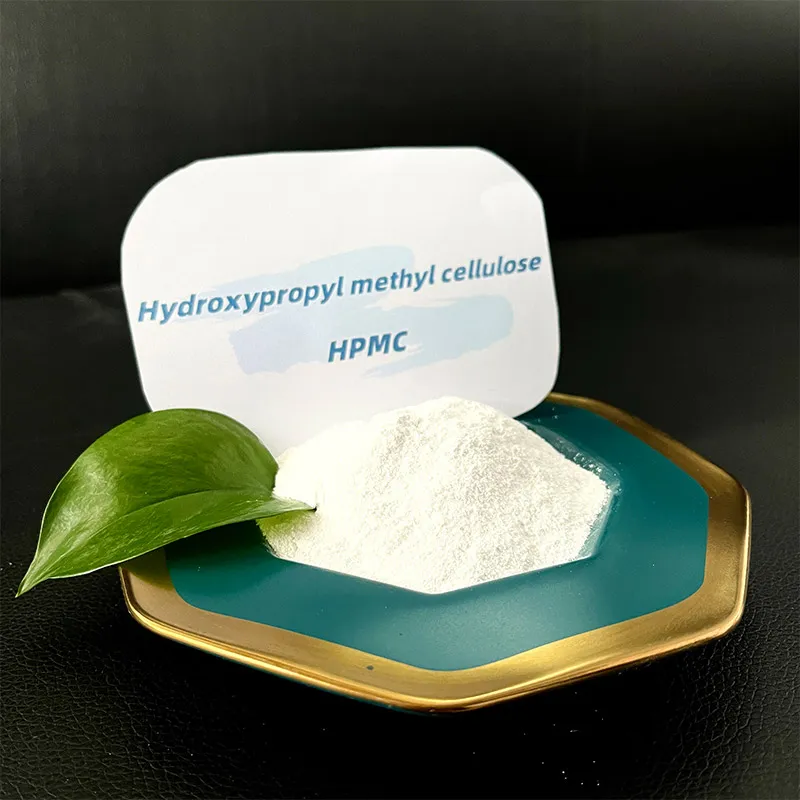
Hydroxypropyl methylcellulose (HPMC) is widely recognized as a versatile compound that finds its application across various industries. Preparing HPMC solutions is paramount for ensuring its effective performance, whether in pharmaceuticals, food processing, or construction. This article sheds light on the expertise required, authoritative guidelines, and trustworthy methodologies associated with HPMC solution preparation. Experience in HPMC solution preparation reveals that the process is both an art and a science, demanding precision and knowledge. Users often face challenges such as insolubility, clumping, or achieving the desired viscosity. These challenges can be mitigated by following specific preparation steps . Here, I will share a streamlined process derived from years of hands-on experience 1. Selection of Grade The choice of HPMC grade significantly influences the end properties of the solution. Different grades offer varying viscosities and gel temperatures, making it crucial to consult technical specification sheets provided by manufacturers to select the right grade for your application needs. 2. Water Quality The quality of solvent, usually water, plays a critical role. Using deionized or distilled water enhances solubility and prevents any potential reactions from contaminants. Experience confirms that temperature-controlled environments boost the solubility rate and uniformity of HPMC throughout the solution. 3. Dispersion Technique Accurate dispersion ensures the complete hydration of HPMC without forming clumps. Begin by sprinkling HPMC slowly into the solvent while stirring continuously. An authoritative tip involves using mechanical stirrers to maintain a consistent dispersal, achieving a lump-free solution efficiently. 4. Temperature Control The temperature of the solvent should be monitored closely. HPMC tends to dissolve better in cold water. By initially employing cold water to disperse the HPMC and later heating it up if the application demands a higher temperature, one can secure optimal results. hpmc solution preparation 5. Hydration Time Time is a crucial factor in preparing an HPMC solution. Allow the solution to hydrate fully, which might take several hours depending on the grade and environmental conditions. Patience is key as incomplete hydration could result in suboptimal solution properties. 6. pH Adjustment For applications requiring specific pH levels, adjust the pH of the solution after full hydration. Different grades of HPMC might react differently to pH adjustments, so it's advisable to conduct small-scale tests before full-scale operations. From a professional standpoint, the expertise of troubleshooting common issues cannot be overstated. In some cases, adding a non-ionic surfactant can assist in reducing surface tension and improving solubility. Furthermore, employing an industrial homogenizer can yield a finer, more consistent HPMC solution in high-demand applications. To establish authority in the preparation of HPMC solutions, it’s paramount to adhere to standardized practices as endorsed by industry leaders. Following guidelines from entities like the United States Pharmacopeia (USP) can ensure compliance and efficacy in pharmaceutical applications. Maintaining a record of every batch's preparation details ensures traceability and identifies areas for future optimization. Trustworthiness is built through consistency and transparency. Regularly testing and documenting the rheological properties of prepared solutions guarantees batch-to-batch uniformity. For enhanced credibility, consider third-party verification from accredited laboratories to validate the effectiveness and safety of the final solution. In conclusion, HPMC solution preparation demands a blend of practical experience, specialized knowledge, and adherence to authoritative protocols. By following these best practices, one can ensure the creation of high-quality HPMC solutions suitable for a variety of applications, ultimately fostering trust and reliability in the end product.
- 40000tons

Production
- 20+years

Experience
- 5000+㎡

Acreage

-
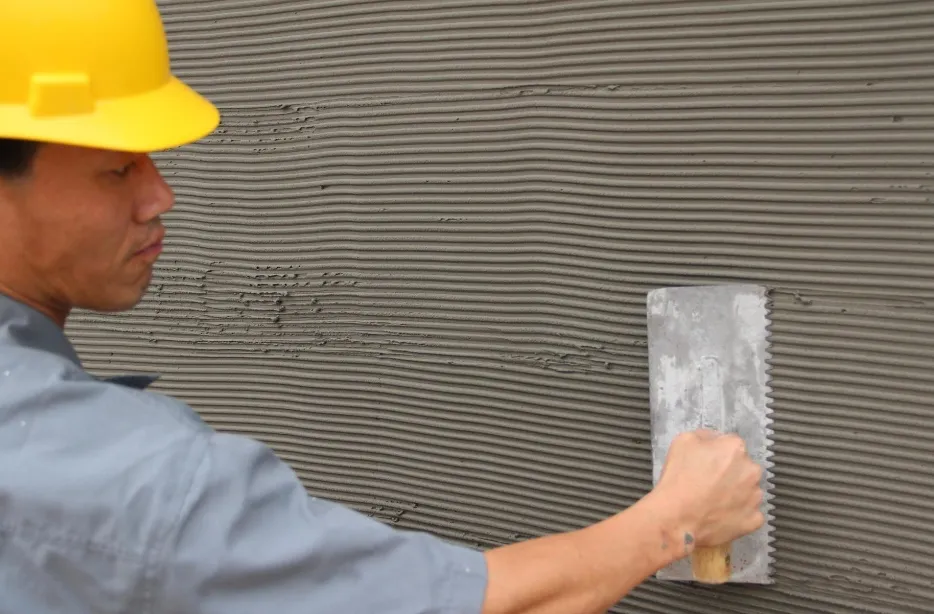
Hydroxypropyl Methylcellulose (HPMC) has been transforming the construction industry with its versatile and potent properties. As a non-ionic cellulose ether, HPMC is renowned for its ability to improve the consistency, workability, and mechanical properties of construction materials. Drawing from consistent field applications, HPMC has demonstrated profound advantages in various construction processes. Notably, its water retention capacity is crucial for cement-based materials like mortar and concrete. By improving water retention, HPMC prevents premature drying, ensuring adequate hydration of cement particles and resulting in stronger, more durable finishes. This singular property enhances the workability of mortars, allowing builders to achieve smoother applications and finishes. In construction products such as tile adhesives, HPMC provides a remarkable enhancement to bond strength. It aids in maintaining a uniform distribution of adhesive, crucial for the precision required in tile installations. Its ability to control viscosity ensures that the adhesive remains at optimal thickness, which is integral for bonding effectiveness. From a professional standpoint, the versatility of HPMC allows for its inclusion in an array of products beyond adhesives, such as self-leveling underlayments and plasters. In self-leveling compounds, HPMC's modification capabilities ensure that the compound flows effortlessly, crucial for creating level substrates in flooring systems. Such functionality not only reduces time and effort required on site but also minimizes errors and material wastage. hpmc for construction Research and development within the chemical domain underpin the authority of HPMC in construction applications . Products enhanced with HPMC are subjected to rigorous testing and quality assurance processes, guaranteeing performance consistency. These evaluations are backed by industry standards and certifications, reinforcing HPMC's credibility and effectiveness in construction products. The trustworthiness of HPMC as a construction additive is evident in the widespread reliance by professionals across the globe. Its non-toxic and biodegradable nature adds an additional layer of trust for environmentally-conscious projects. Construction experts and material scientists highlight the compound's adaptability to different environmental conditions, ensuring resilience and longevity in a variety of climates. HPMC's integration into eco-friendly and sustainable building practices further anchors its reputation. With global construction trends moving towards sustainable solutions, HPMC serves as an ally in achieving certifications like LEED by enhancing energy efficiency and resource conservation in construction processes. In summary, HPMC's influence in the construction industry epitomizes the blend of experience, expertise, authoritativeness, and trustworthiness. Its multifaceted properties not only improve construction material performance but also align with sustainable practices, making it indispensable in modern construction solutions. As technology advances and the industry evolves, HPMC’s role is anticipated to expand, inspiring innovation and ensuring quality across construction endeavors.
-
Tylose HPMC, commonly known as Hydroxypropyl Methylcellulose, is a multifunctional ingredient that continues to gain traction globally, particularly in the construction, pharmaceutical, and food industries. Its unique properties make it essential for enhancing product performance across various applications, from thickening agents in food products to adhesive functionalities in construction materials. Understanding its versatility not only highlights the expertise behind its formulation but also instills trust in industries relying on its advantages. Within the construction sector, Tylose HPMC is celebrated for its role in improving the workability and performance of construction materials. When integrated into cement-based products, it acts as a water retention agent, significantly enhancing the open time and working conditions of tile adhesives, plasters, and mortars. This is pivotal for construction professionals seeking products that offer consistent quality and ease of application. In addition, Tylose HPMC contributes to improved adhesion and sag resistance, ensuring stability and longevity of the applied products, a factor critically acclaimed by construction experts who prioritize durability. In pharmaceutical formulations, Tylose HPMC is revered for its efficacy and safety. It serves as a binder in tablet manufacturing, providing mechanical strength and controlled release properties essential for high-quality pharmaceutical products. This utility is validated by numerous studies showcasing its biocompatibility and non-toxicity, which are paramount for applications where product safety is of utmost importance. The molecule's ability to form a protective colloid also lends to its use in ophthalmic solutions, where it helps in retaining moisture and providing soothing relief, assuring medical professionals of its adaptability and reliability in sensitive applications. The food industry leverages Tylose HPMC for its thickening and stabilizing properties . Its use in food products like sauces and dressings results in desirable textures and consistency without altering the taste. Recognized for being non-digestible and therefore not contributing to calorie intake, it offers an appealing solution for developing low-calorie and dietary-specific products. Food technologists value this capability, as it aligns with the increasing consumer demand for health-oriented products without compromising on sensory attributes. tylose hpmc Tylose HPMC’s environmental benefits cannot be overlooked, particularly its role in promoting sustainability. Derived from cellulose, a plant-based raw material, Tylose HPMC is biodegradable, exerting minimal impact on the environment. Its ability to replace synthetic alternatives in various applications endorses its use in industries aiming for greener and more sustainable practices. This adaptability not only champions eco-friendliness but also reaffirms the trust of environmentally conscious manufacturers and consumers. The credibility of Tylose HPMC is further solidified by its inclusion in various industry standards and certifications, which authenticate its quality and efficacy across applications. Users and developers around the world rely on these endorsements to ensure they are incorporating a component that adheres to the top-tier standards of performance. This authoritative backing is crucial for professionals who demand consistent results, pushing Tylose HPMC to become a staple choice globally. In essence, Tylose HPMC's unique properties underscore its status as an indispensable material across multiple industries, reinforcing its standing as a product of scientific expertise and trustworthiness. Its ability to address critical functionalities, from enhancing construction material performance to contributing to advances in pharmaceutical and food technology, exemplifies the depth of its application spectrum. As industries continue to innovate and enhance their offerings, the role of Tylose HPMC becomes increasingly significant, bridging the gap between advanced material solutions and sustainable practices.
advantages
-

200000 Viscosities
Excellent product
We can produce pure products up to 200,000 viscosities
-

40000 tons
High yield
We don’t stop production all year round, and the annual output can reach 40,000 tons
-

24 hours
Quality service
We provide 24-hours online reception service, welcome to consult at any time
———— Inquiry Form
Schedule A services


-
 pati_eter_dalam_perekat_ubin
Oct . 25, 2025
Hydroxypropyl methylcellulose, commonly abbreviated as HPMC, is a pivotal compound in various indust -
 polypropylene_fiber_sheet
Oct . 25, 2025
Pentastarch is a frequently utilized colloidal solution that has sparked interest among medical prof -
 long_glass_fiber_reinforced_polypropylene
Oct . 25, 2025
Hydroxypropyl methylcellulose (HPMC) is increasingly being recognized for its diverse applications i


